
Heat Pump Repair
in Tempe, Scottsdale, Mesa & the Arizona East Valley
Licensed & Insured
Google Certified
Flexible Financing Options
Fast Emergency Support





Heat Pump Struggling in the Tempe Heat? Let's Get It Fixed
A heat pump carries your home through both seasons, so when it slips, your cooling and your heating go down together. Accurate Air has kept East Valley heat pumps running since 1965, and our expert heat pump repair technicians still work the way a family business should: a careful diagnosis, a price in writing, and most repairs wrapped up the same day. No commission targets steering the visit, just the fix your system needs.
- Same-Day Heat Pump Fixes
- NATE & EPA-Certified Techs
- Written Prices, No Surprises
- Serving Tempe Since 1965

Day Availability
Local Owned
Years of Experience
Don't Wait Out a Broken Heat Pump in Tempe
Lost heating on a cold night or cooling in a heat wave? Our heat pump repair specialists take calls all year, run same-day diagnostics, and stock the truck with the parts that fix most failures on the first trip. One call puts a technician on the way.
Why Tempe Homeowners Call Accurate Air First for Heat Pump Repair
Your Family-Owned Heat Pump Repair Team in Tempe & Scottsdale
Plenty of companies will replace a part and move on. We would rather find the fault, explain it in plain terms, and fix it once, which is how a two-generation family business earns sixty years in one market. Our heat pump technicians are NATE-certified, EPA-credentialed, and factory-authorized for Trane and Lennox, backed by a BBB accreditation the company has held for decades. Because they earn salaries, not commissions, the recommendation you get is the one your system needs.
Salaried
Techs never
on commission
Established
Repairing
systems
since 1965
Diagnostic
Root-cause fixes,
not guesses
Warning Signs Your Tempe Heat Pump Needs a Repair
A failing heat pump usually warns you first, through weak output, strange sounds, or a power bill that keeps creeping up. Because one unit handles both heating and cooling here, ignoring the hints risks losing comfort in either season. Catch these early, and a small repair keeps a full breakdown at bay.
It Won't Switch Between Heating and Cooling
A system stuck in one mode almost always points to a failing reversing valve or a faulty control board. Our Scottsdale heat pump repair specialists test the valve, solenoid, and controls, then restore clean switching between heat and cool.
The Outdoor Unit Ices Over or Won't Defrost
Thick ice on the coil during winter signals a bad defrost control, a failed sensor, or a low refrigerant charge. Left running, it punishes the compressor. Our East Valley heat pump technicians repair the defrost cycle at the source.
Weak Airflow and a Climbing Power Bill
When rooms warm up slowly, and your SRP or APS bill jumps, a worn compressor, dirty coil, or refrigerant loss is usually dragging efficiency down. Our Tempe heat pump repair team traces the drain and restores output.
Short Cycling or Grinding, Rattling Noises
A heat pump that clicks on and off or grinds and rattles often has a failing capacitor, contactor, or motor. Our reliable Tempe HVAC technicians pinpoint the worn part before it takes the whole system down.
Types of Heat Pumps Our Tempe Technicians Repair
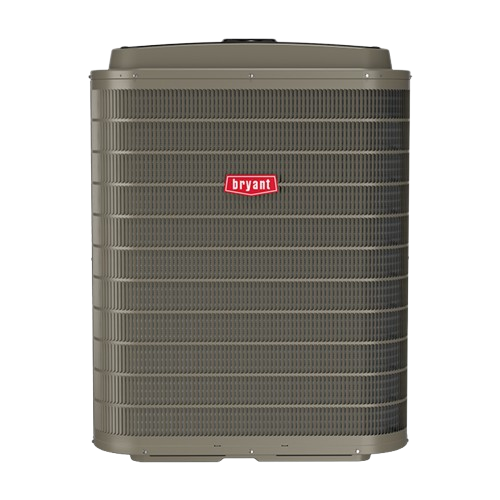
Air-Source Heat Pumps
The most common heat pump in Valley homes pulls heat in and pushes it out through the outdoor air. Worn compressors, failed capacitors, and slow refrigerant leaks are the usual reasons output drops. Our NATE-certified Tempe heating and cooling technicians find the fault and bring heating and cooling back fast.

Two-Stage Heat Pumps
Two-stage units run low most of the year and jump to high on the harshest days, so a stuck stage or bad control quietly erodes comfort and efficiency. As trusted Tempe HVAC technicians, we diagnose staging faults and repair the controls so the system modulates the way it should.

Ductless Mini-Split Heat Pumps
Mini-splits condition casitas, additions, and rooms without ducts, one zone at a time. A refrigerant leak or sensor fault can knock out a single zone while the rest keep working. Our Scottsdale heat pump repair team repairs ductless mini-split systems of every brand.

Variable-Speed (Inverter) Heat Pumps
Variable-speed models ramp up and down instead of cycling hard, and their inverter electronics are sensitive when something fails. Our East Valley heat pump repair team troubleshoots inverter boards, sensors, and compressors to bring back steady, quiet performance.
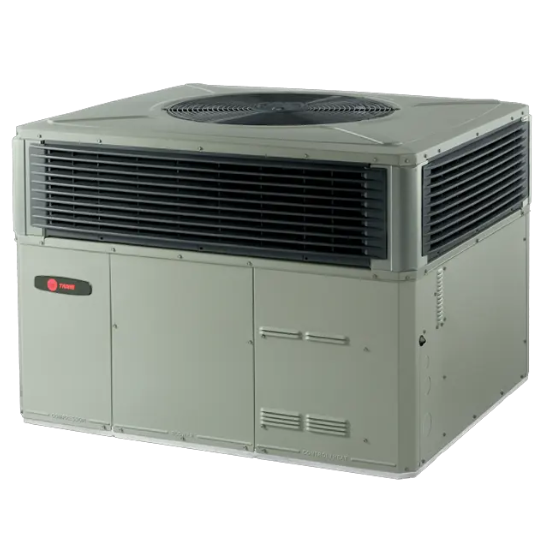
Dual-Fuel (Hybrid) Systems
A dual-fuel setup pairs a heat pump with a gas furnace, switching sources as temperatures change. When the heat pump half falters, a control-board fault or refrigerant loss is often behind it. We repair both halves so the handoff stays smooth.

Packaged & Rooftop Heat Pumps
Packaged units bundle every component into one cabinet on a roof or slab, where sun and dust wear them hard. Coil damage and compressor strain top the list of failures. Our heating and air conditioning technicians service residential and light commercial packaged systems across the East Valley.

Smart & Wi-Fi-Connected Heat Pumps
Connected systems add app control and automation, but glitchy sensors and dropped connections can leave you too hot or too cold. Our experienced heating and air conditioning team troubleshoots the electronics alongside the mechanics and can pair the unit with a reliable smart thermostat.
24/7 Heat Pump Repair Across Tempe, Scottsdale & Mesa
Heating or Cooling Failure, Day or Night, We Answer
A heat pump that quits during a heat wave or on a freezing night is an emergency, and our phone is answered around the clock, holidays included. You reach a technician who can size up the failure and get a truck moving, not a machine. Here is more on our emergency HVAC service.
-
Same-Day Repairs, Parts Already on the Truck
Call early, and most repairs are done that day. You get an arrival window, a text when your technician sets out, and a van stocked with the components behind the most common heat pump failures.
-
A Written Quote Before Any Work Begins
Every repair is handled by a NATE-certified, factory-authorized technician who walks you through the problem and prices it before starting. Clear numbers up front, no pressure, no add-ons after the fact.
Social Media :
Heat Pump Maintenance in Tempe That Heads Off Repairs
The Desert Never Gives Your Heat Pump a Day Off
Because your heat pump works every month of the year here, small problems pile up fast: refrigerant slips low, a capacitor weakens, dust cakes the coil, and one hard afternoon later it quits. Members of our Accurate Advantage Club sidestep that, with two tune-ups a year that catch trouble early, hold efficiency up, and keep the manufacturer warranty valid, for far less than a major repair.
Fewer Surprise Repairs
Lower Energy Bills
Longer System Life
Protected Manufacturer Warranty
Year-Round Peace of Mind
What Our Heat Pump Tune-Up Covers
Our Tempe technicians run a 40-point inspection each visit: refrigerant charge, outdoor coil cleaning, the reversing valve and defrost cycle, electrical connections and the compressor contactor, airflow at the air handler, thermostat calibration, and the condensate drain. Every result is logged, so proof of maintenance is ready if you ever file a warranty claim. Ask about our heat pump maintenance options.
When to Book Your Tune-Up
Since a heat pump both heats and cools here, two visits a year work best: one in spring before cooling season, one in fall before it turns to heat. Club members are booked automatically. Spring appointments fill quickly as the first heat wave nears, so reserving early keeps you ahead of the rush.

Our Technicians Repair All Heat Pump Components in Tempe & Scottsdale
Compressor
The compressor drives refrigerant through the system to both heat and cool your home, so when it fails, comfort stops in both seasons. It is also the costliest part to replace. Our Tempe heat pump repair technicians replace only what the diagnosis calls for, and if a new system is the smarter move, we lay out financing instead of pushing a sale.
Reversing Valve
The reversing valve is what makes a heat pump a heat pump, flipping it between heating and cooling. When it sticks, the system locks into one mode. Our skilled Scottsdale heat pump specialists test the valve and solenoid, then repair or replace it so both modes return.
Refrigerant Leak Detection
A refrigerant leak forces the system to work harder for less output while it slowly starves the compressor. Our EPA-certified refrigerant technicians in Tempe locate the leak with proper tools, seal it, and recharge to the manufacturer’s specification.
Defrost Control & Sensor
In heating mode, the defrost cycle keeps frost off the outdoor coil. A bad board or sensor leaves the unit iced and laboring. Our East Valley HVAC repair technicians test the defrost components and restore the cycle before the strain reaches the compressor.
Capacitor & Contactor
The capacitor starts the motors and the contactor switches power to the outdoor unit. As either wears, the system hums, hesitates, or stops entirely. These rank among the most common and affordable heat pump repairs our Tempe HVAC repair team handles, often the same day.
Fan & Blower Motor Repair
The outdoor fan and indoor blower keep air moving through both cycles. When a motor or bearing wears out, airflow drops and the system overheats. Our Tempe and Scottsdale HVAC contractors replace the worn motor and bearings and restore steady airflow.
Coil Cleaning & Repair
Indoor and outdoor coils carry the heat exchange a heat pump depends on. Desert dust, corrosion, or a leak can foul or freeze them and sink performance. Our experienced heat pump technicians clean, repair, or replace coils and fix the underlying cause so the trouble stays gone.
Thermostat Diagnosis & Repair
A miscalibrated thermostat can fake a major breakdown with short cycling, no output, or swinging temperatures. Before assuming the worst, our Scottsdale heating and cooling technicians test and recalibrate it or upgrade you to a dependable smart model, often for a fraction of a bigger repair.
Tempe, Arizona's Local Heat Pump Repair Specialists
Repairing systems here since 1965 means we know how monsoon dust, relentless sun, and Maricopa County code shape a lasting heat pump fix. Licensed under Arizona ROC 059025 (residential) and ROC 068484 (commercial), our technicians handle every call to local standards and flag the SRP or APS rebates that can offset a larger repair or upgrade.
Don’t See Your City?
Give us a call today—our team proudly serves neighborhoods throughout the East Valley and beyond. If you don’t see your town listed, chances are we can still help keep your home cool and comfortable. Call Now
AC Installation Across East Valley
Heat Pump Repairs Change With Tempe's Seasons
Your heat pump never rests in the East Valley. Scorching summers, monsoon dust and humidity, warm falls, and cold desert nights each wear it differently. Knowing what each stretch does to the system helps you fix small faults on your schedule instead of during a breakdown.

Spring
Catch Faults Before Cooling Season
Spring winds drive pollen and fine grit into filters and onto the outdoor coil, choking airflow before summer even starts. Our certified Tempe heat pump technicians clean the system, check refrigerant, and repair minor faults now, so a small issue in April doesn’t become a no-cooling call in July.

Summer
When Cooling Failures Spike
Above 110 degrees, your heat pump runs almost nonstop in cooling mode, and compressors, capacitors, and refrigerant lines give out under the load. Our Tempe heat pump repair team answers fast with stocked trucks, restoring cooling before indoor heat turns into a safety risk.

Fall
Repair the Summer's Wear
As the heat backs off, the damage a hard summer left behind surfaces. Our Scottsdale heating and cooling repair technicians check the charge, coils, and reversing valve and handle heating repair needs, so the system flips cleanly into heat mode for the cooler nights ahead.

Winter
Heat-Mode Faults Show Up Now
Mild as Tempe winters are, cold nights still lean on the heat pump, and defrost or reversing-valve faults tend to appear right when you need warmth. The slower season is the ideal window for non-urgent repairs and upgrades before demand swings back.
Season after season, our family-owned crew keeps East Valley heat pumps running with honest repairs and steady follow-through.
Looking for a Heat Pump Repair Technician Near Me? Proudly Serving Tempe & Nearby East Valley Areas
From the neighborhoods around the university to the golf communities and family streets across the region, our heat pump repair technicians have worked on nearly every system the desert can wear out. Wherever you are in the Valley, skilled help is a short drive away.
Notable Places & Local Landmarks

Heat Pump Repair in Tempe, AZ, FAQs
This usually traces to a stuck reversing valve, a defrost fault, or low refrigerant, and sometimes just the backup-heat setting. Our Tempe and Scottsdale heat pump repair specialists test the valve and controls to find the cause quickly, so you are not left cold.
If the system is under ten years old and the repair runs less than half the cost of a new unit, repair usually wins. When fixes keep stacking up, we lay out honest numbers and point you toward heat pump installation only when it saves you money.
Call early and most repairs are handled the same day. Our factory-authorized technicians carry the most common heat pump parts, and our line runs 24/7 for after-hours failures during a heat wave or a cold snap.
Every repair opens with a flat $109 diagnostic. That fee is fixed and is not waived when you approve the work, and you see the price in writing first. Seniors and military members save 10% on service, and Accurate Advantage Club members save 10% on repairs too.
A little frost is normal, but heavy ice that will not clear signals a failed defrost control, a bad sensor, or low refrigerant. Our Tempe technicians repair the defrost system at its source before the ice strains the compressor.
Yes. We are factory-authorized Trane and Lennox dealers and service every major brand, including Carrier, Goodman, Amana, Rheem, York, Daikin, and Mitsubishi ductless systems.
Accurate Air Success Stories
Hear What Our Happy Customers Are Saying

Nathan was our Accurate Air Service Technician. He arrived on time and checked out both our ac units. He quickly determined that there was an issue with one unit but tracked down and fixed the problem. He was very professional and pleasant to deal with. We have been looking for an AC company that we felt comfortable with and now believe we have found it with Accurate Air Conditioning.

This is an excellent A/C and HVAC service company! My family has been using them for over 30 years. The technicians and office staff are polite, efficient, and accommodating. They installed a new A/C heat pump unit for us in 2018 and did a fantastic job at a very fair price. I would never consider using anyone else.


David was exceptional. I would use Accurate Air again if needed. I would recommend Accurate air. The other company that came by totally tried to rip me off, but David fixed the issue that day compared to the other company wanting 3 times as much for work that I didn't need and it was going to take a week to get the part. I am very satisfied. Thank you David and that you Accurate Air team.
