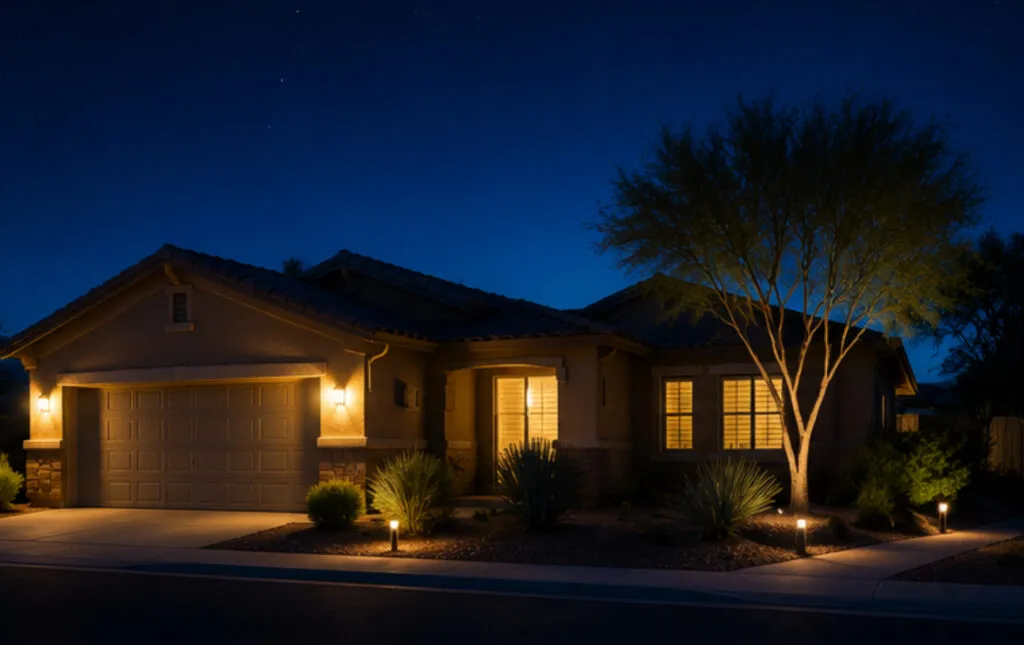
The first cold night of an Arizona winter tends to arrive without much warning, and it’s often the first time your heating system has run since March. Months of sitting idle, a summer of dust, and a filter loaded from cooling season can all keep it from starting cleanly.
The way to avoid a no-heat surprise is a short test run before you need the heat. Set the thermostat to heat, swap the air filter, run one full heating cycle, open every vent, and check the outdoor unit or furnace vent. This checklist walks through each step, what normal looks like, and which warning signs mean your heating system needs a technician before winter settles in.
When Should You Prepare Your Heating System for an Arizona Winter?

The best time to prepare your heating system is late October through mid-November, while the afternoons are still mild. Testing it then leaves time to book a repair at a normal pace, instead of finding the problem on the first cold morning with half your neighbors.
Arizona winters are mild, but they’re hard on a system that hasn’t run in heating mode for seven months. Across the East Valley, overnight lows fall into the 40s and occasionally the 30s between December and February. That’s cold enough for a failed heater to matter, especially in a home with young children, older relatives, or pets.
The type of system changes what you’re preparing for. A heat pump uses the same outdoor unit that cooled your home all summer, so it starts winter already carrying a season of wear. A gas furnace has the opposite problem, because it has sat unused for months while dust settled on the burners and sensors.
How Do You Check the Thermostat and Air Filter Before Turning On the Heat?
Start with the thermostat, since a heater that seems dead is sometimes a thermostat still set to cool.
- Switch the mode from Cool to Heat, then set the temperature three to five degrees above the current room temperature. The system should respond within a few minutes.
- Replace the batteries if your thermostat uses them. A weak battery can leave the screen blank or stop the thermostat from signaling the system.
- Update the schedule on a programmable or smart thermostat. Summer settings that raise the temperature while you’re out need to become winter settings that lower it.
Next, replace the air filter. The filter that protected your system through cooling season also serves the furnace or heat pump, and after months of monsoon dust it’s usually overdue. A clogged filter starves the system of airflow. That can make a furnace overheat and shut itself off, or leave a heat pump straining to push warm air through the house.
Most Arizona homes do well with a fresh filter every one to three months. How often to change your HVAC filter also depends on pets, nearby construction, and the type of filter your system takes.
What Should Happen During the First Heating Cycle of the Season?

Run the first heating cycle on a mild afternoon and stay nearby for 15 to 20 minutes. Watching that first cycle tells you more about the system’s condition than any other check on this list.
Is a Burning Smell Normal When You First Turn On the Heat?
A faint burning-dust smell for the first few minutes is normal. Dust settles on the burners or electric heat strips during the off-season and burns away as the system warms up. Open a window if it bothers you, and expect it to fade within the first hour or so.
A smell that lingers, or one that reminds you of hot plastic, smoke, or chemicals, is a different matter. That usually points to an electrical fault or an overheating part, so turn the system off at the thermostat and have it inspected before you run it again.
How Long Should It Take for Warm Air to Reach the Vents?
A gas furnace should send warm air through the vents within a few minutes of the burners lighting. A heat pump takes a little longer, and its air feels milder to the hand, closer to lukewarm than hot, which is normal for how heat pumps work.
Air that still feels cool after several minutes of steady running is worth a closer look. Common causes include a thermostat problem, a dirty flame sensor, an ignition fault, or a heat pump that isn’t switching into heating mode.
Which Startup Sounds From a Heating System Point to a Problem?
A soft click, the low whoosh of burners lighting, and a steady fan are all normal. Other sounds usually mean a part is loose, dirty, or wearing out.
Rattling. A loose screw, access panel, or duct joint often rattles as the blower spins up. It’s rarely urgent on its own, but mention it at your next visit before a loose panel works free.
Banging or a loud pop on startup. That’s usually delayed ignition, where gas builds up for a moment before dirty burners catch. It strains the heat exchanger every time it happens, so switch the furnace off and book a technician before you rely on it.
Squealing. A high, steady squeal points to a worn blower belt or motor bearings running dry. Book a repair soon, because a failing belt or bearing ends with a blower that stops moving air.
Humming. A loud, steady hum usually means electrical strain, often from a weak capacitor struggling to start a motor. Have it checked soon, since a capacitor that fails outright leaves the motor unable to start.
Grinding. Metal-on-metal grinding comes from worn fan motor bearings. Book a repair soon, before a bearing problem turns into a motor replacement.
Pay attention to how the system cycles, too. If it turns on and off every few minutes without warming the house, it’s short cycling. A clogged filter, blocked vents, a misplaced thermostat, a dirty furnace flame sensor, or an oversized furnace can all cause it. The extra starts wear parts out faster the longer it continues.
How Should You Check Vents, Returns, and the Outdoor Unit Before Winter?
Airflow problems are the easiest heating issues to fix yourself, and they show up quickly once the heat comes on.
- Open every supply register. Vents closed in spare rooms over the summer raise pressure in the ductwork and can leave parts of the house cold.
- Move furniture, rugs, and long curtains off vents and away from return grilles so air can circulate.
- Vacuum the dust from supply registers and return grilles.
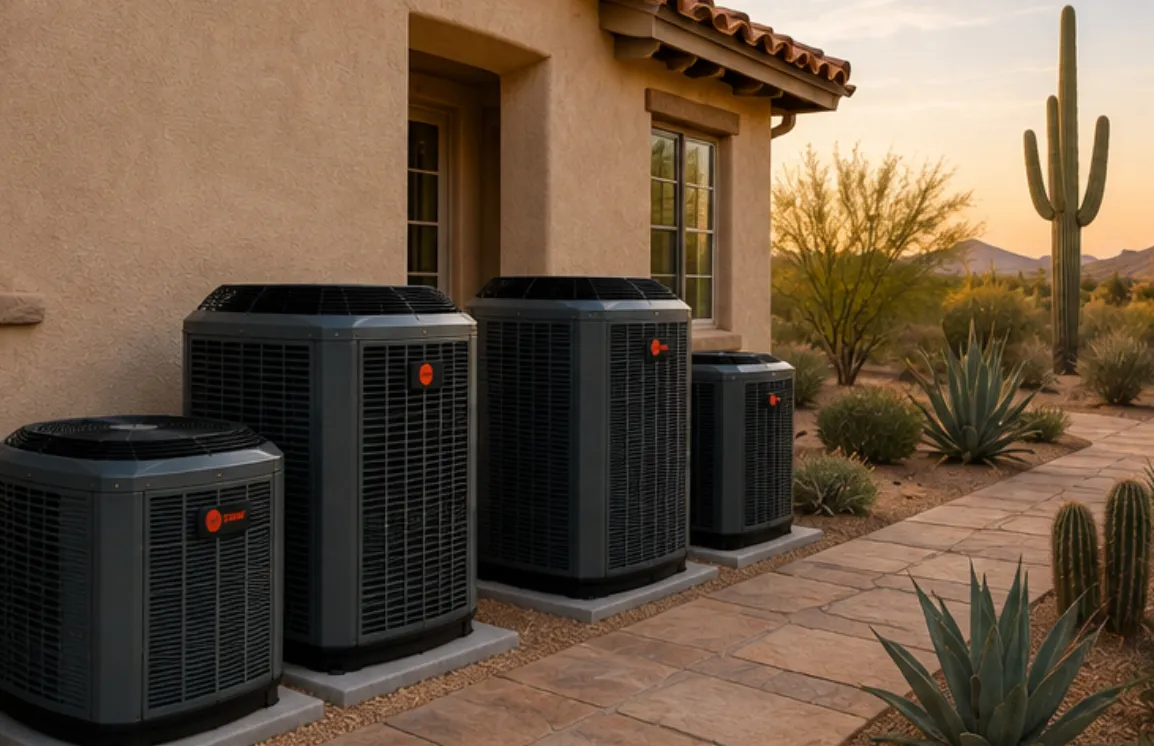
- For a heat pump, clear leaves, weeds, and monsoon debris from around the outdoor unit. Two to three feet of clearance around the outdoor unit matters in winter as much as summer, because that unit now gathers heat for your home.
- For a gas furnace, look at the flue pipe on the roof from the ground. A bird’s nest or debris over the vent is a job for a technician, so do not climb up to clear it yourself.
Why Should You Test Carbon Monoxide Detectors Before Running a Gas Furnace?
A gas furnace produces carbon monoxide as part of combustion, and a cracked heat exchanger or a blocked vent can let it into your living space. Test every CO detector, replace the batteries, and make sure there is one on each sleeping level of the home.
If a detector sounds, or you smell sulfur or rotten eggs, leave the house first. Do not flip light switches on the way out, and call 911 or your gas utility once you are outside. After the home is cleared, have a technician inspect the heat exchanger and venting before the furnace runs again.
An all-electric heat pump doesn’t carry this combustion risk. A CO detector is still worth having in any home with a gas water heater, gas stove, or attached garage.
Which Heating Warning Signs Mean You Should Call a Technician Before Winter?
If the test run turns up any of these, schedule a repair now rather than waiting for the first cold night.
| What you notice | What to check first | Next step |
|---|---|---|
| No heat at all | Thermostat mode, circuit breaker, air filter | Book diagnostics if all three check out |
| Loud bang on startup | Nothing to check yourself, switch the furnace off | Have a technician inspect ignition timing and the heat exchanger |
| Clicking, but the burners never light | Thermostat reset, gas valve in the on position | Call a technician if a reset doesn’t fix it |
| Weak airflow from the vents | Air filter, closed vents, blocked returns | Book blower or duct service if it continues |
| Some rooms stay cold | Closed or blocked vents | Have the ducts and blower checked for leaks or weakness |
| Yellow or flickering burner flame | Nothing, do not adjust it | Turn the furnace off and call for a combustion check |
Problems caught during a pre-season test are easier to handle on your own schedule than on a cold night. Say your furnace clicks but won’t light. For furnace repair in Scottsdale and across the East Valley, our technicians check the flame sensor, igniter, and gas supply first, then tell you whether it’s a quick fix or a larger repair.
Heater failed its test run? Get it checked before the first cold night.
What Does a Professional Heating Tune-Up Add to a Homeowner Checklist?
Your checklist covers what you can see and hear, and a winter HVAC tune-up covers what you can’t. A technician cleans the burners and flame sensor, tests the igniter and safety controls, inspects the heat exchanger for cracks, and measures gas pressure and electrical draw.
For a heat pump, the visit also covers the reversing valve, the refrigerant charge, and the backup heat strips. A fall furnace tune-up or heat pump maintenance visit catches the parts a long cooling season wore down before winter adds its own load.
If you’d rather not keep track of it, the Accurate Advantage Club books two seasonal tune-ups a year. One comes ahead of summer and one ahead of winter, with priority scheduling when the weather turns.
What Goes on a Pre-Winter Heating Checklist for an Arizona Home?
Keep this list handy for a mild afternoon in late October or early November.
- Thermostat switched to Heat, batteries fresh, and the schedule updated for winter
- New air filter installed
- One full heating cycle run, with warm air reaching every vent
- Burn-off smell gone within the first hour
- No banging, grinding, or squealing on startup
- Every supply register open, and every vent and return clear
- Heat pump outdoor unit cleared of debris, with two to three feet of space on every side
- Furnace flue checked from the ground for nests or debris
- Carbon monoxide detectors tested, with fresh batteries
- Fall tune-up booked if the system is due
Need Help Getting Your Heating System Ready for an Arizona Winter?

If your heating system failed a step on this list, or you’d rather have a technician run the checks for you, Accurate Air can help. Our family-owned team has kept East Valley homes warm since 1965. Our technicians are salaried rather than paid on commission, so the advice you get fits your system instead of a sales target.