
Stay Winter-Ready In Scottsdale With Pro HVAC Tips To Protect Your Heating System
As Scottsdale nights cool down and frosty mornings creep in, your heating system works harder to keep comfort steady. Without proper maintenance, that extra strain can lead to higher bills, uneven warmth, or untimely breakdowns. This guide shares smart, easy-to-follow winter HVAC maintenance tips tailored for Scottsdale homeowners.
From replacing air filters and clearing outdoor units to scheduling a professional furnace tune-up, you’ll learn how to keep your system efficient, reliable, and ready for the season ahead. Stay cozy, save energy, and extend your system’s lifespan with a little proactive care before winter settles in.
Why Scottsdale Homeowners Should Prioritize Winter HVAC Care

Winter HVAC maintenance is your heating system’s best defense against chilly Scottsdale nights. It’s more than a quick check; it’s a full inspection, cleaning, and fine-tuning that keeps your furnace running safely and efficiently as temperatures dip into the 40s and 50s.
Proactive care helps you avoid energy waste, surprise breakdowns, and the desert dust that loves to clog up your system. In fact, Scottsdale families who schedule their HVAC heating system tune-up cut heating costs by 15%. Smart maintenance pays off all season long.
How Does Maintenance Boost Energy Efficiency and Lower Heating Costs?
Regular cleaning of coils, lubrication of moving parts, and precise thermostat calibration ensure your furnace or heat pump operates at its highest efficiency. This prevents the blower motor from overworking and can slash energy consumption by up to 20 percent, leading to immediate savings on your utility bills without compromising comfort.
What Are the Risks of Skipping Winter HVAC Tune-Ups in Scottsdale?
Skipping your winter HVAC tune-up might save a few dollars now, but it can cost you much more later. Without regular care, your system collects dust, loses efficiency, and is more likely to fail when you need it most.
Scottsdale’s dry desert air and cooler nights can make problems worse, leading to preventable breakdowns and safety hazards. Here’s what can happen when tune-ups are ignored:
- Trapped debris and clogged filters restrict airflow, forcing your system to work harder.
- Frozen condensate lines can cause leaks or total system shutdowns.
- Cracked heat exchangers increase the risk of dangerous carbon monoxide leaks.
- Emergency repair bills during peak season often run 50% higher than standard maintenance costs.
A quick tune-up not only prevents those problems but also helps your system run smoother and last longer through Scottsdale’s unpredictable winter chill.
How Winter HVAC Care Boosts Indoor Air Quality
Your heating system does more than keep your home warm; it also circulates the air you breathe. In a desert climate like Scottsdale, dust, pollen, and pet dander can quickly build up inside your ducts and filters. Regular winter HVAC maintenance helps keep your indoor air fresh, healthy, and allergen-free.
Here’s how seasonal care makes a difference:
- Filter replacements trap dust and allergens before they reach your living space.
- Duct cleaning removes built-up debris and improves overall airflow.
- Humidifier and ventilation checks balance moisture levels and prevent mold growth.
These small steps go a long way toward improving air quality, reducing allergy triggers, and keeping your family and pets comfortable all winter long.
The Hidden Benefits of Regular Tune-Ups
Beyond air quality and comfort, routine HVAC maintenance protects your investment. Regular service extends equipment life, boosts system efficiency, and helps catch small issues before they become major expenses.
It’s always a good idea to schedule a winter HVAC maintenance with top-rated HVAC technicians. With a pre-winter tune-up from certified HVAC pros, you’ll enjoy:
- Lower monthly energy bills thanks to optimized performance.
- Quieter operation and more consistent indoor temperatures.
- Peace of mind knowing your system is running safely and efficiently.
When to Schedule Your Winter HVAC Tune-Up
For best results, schedule your HVAC tune-up right before the Scottsdale temperature drop and the busy service rush. Pre-winter heating system maintenance ensures your system is clean, efficient, and ready for consistent winter performance.
If you haven’t booked yet, there’s still time! At Accurate Air, our certified and skilled HVAC technicians can inspect, clean, and fine-tune your system for worry-free comfort all season long. Choosing our salaried, certified heating professionals in Scottsdale means you’ll always receive transparent pricing, honest advice, and expert service, no upsells, just genuine care and reliable comfort all winter long..
7 Must-Do Winter HVAC Maintenance Steps for Scottsdale Homes

Keeping your HVAC system in top shape during a Scottsdale winter doesn’t just protect your comfort. It also saves you money, prevents breakdowns, and keeps your air clean. With temperatures dropping into the 40s and 50s, a little seasonal maintenance can go a long way.
Here’s a step-by-step checklist every Scottsdale homeowner should follow to ensure reliable performance all season long.
1. Inspect and Replace Air Filters Regularly
Scottsdale’s dry desert air carries dust and pollen that can quickly clog your HVAC filters. Replacing them every 1–3 months keeps airflow strong and helps your system run efficiently.
How Often Should Air Filters Be Changed During Scottsdale Winters?
Air filters are essential for trapping fine desert particulates and pet dander; replacing them regularly prevents restricted airflow and reduces strain on your equipment.
| Season | Recommended Interval | Purpose |
|---|---|---|
| Scottsdale Winter Months | Every 30–60 days | Capture dust and pollen from the desert air |
| High Dust Conditions | Every 30 days | Prevent filter overload and motor strain |
Quick Tip:
- Use high-efficiency filters rated MERV 8–11 for best results.
- Check filters monthly, especially if you have pets or allergies.
Clean filters also improve indoor air quality, helping your home feel fresher and healthier all winter.
2. Clean and Clear Outdoor HVAC Units of Desert Debris
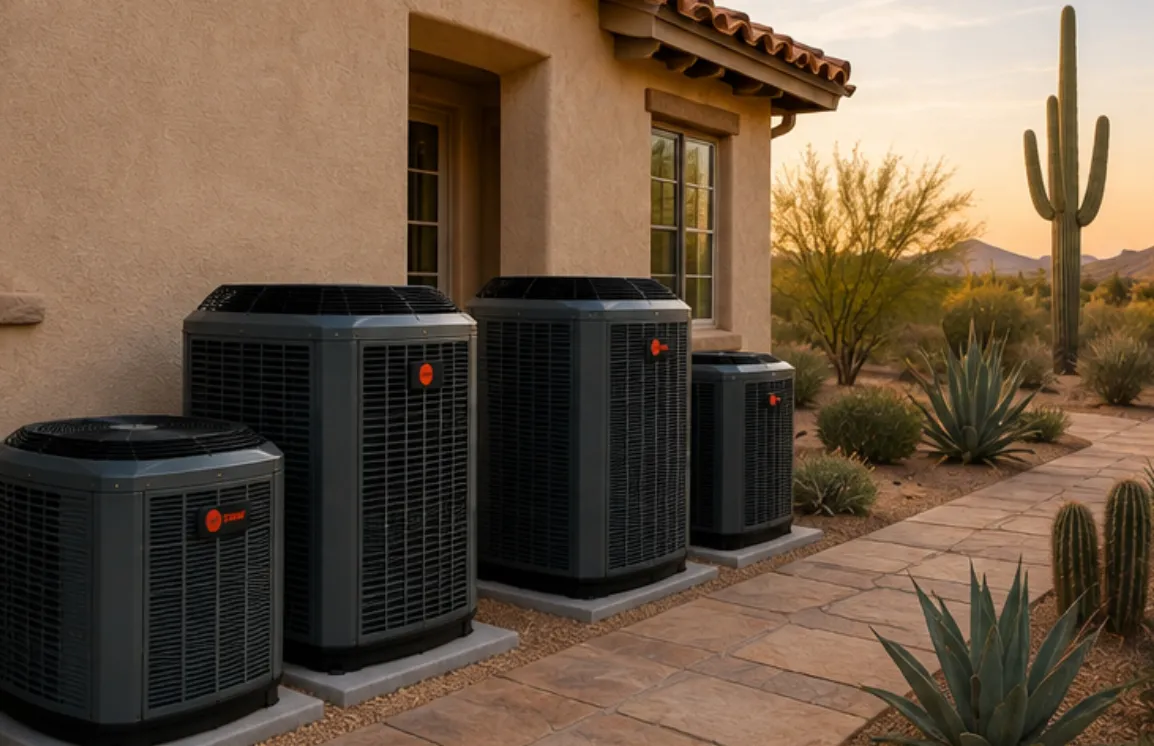
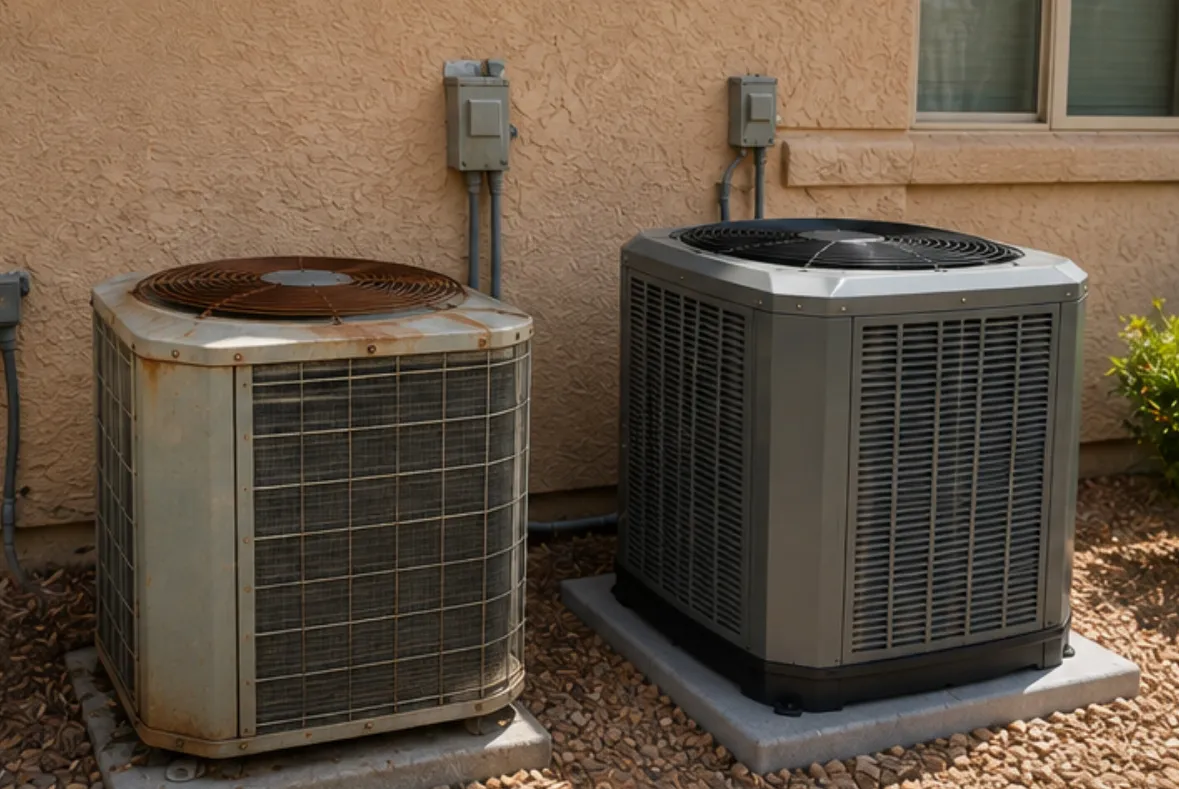
Wind and dust storms can cause leaves, dirt, and debris to build up around your outdoor unit. That buildup restricts airflow and forces your system to work harder than it should. To keep your unit clear, HVAC specialists recommend:
- Gently brush away visible dirt and debris.
- Keep at least 2 feet of clearance around the unit.
- Rinse coils lightly with a garden hose (when the system is off).
A clean unit improves efficiency and extends the life of your equipment.
3. Check Thermostat Settings and Smart Controls for Accuracy
Your thermostat is the command center for comfort, and winter is the perfect time to double-check its accuracy. Make sure your thermostat reflects true room temperatures and adjust your programming for cooler nights. Smart thermostat users can:
- Create energy-saving schedules that lower temps while you sleep.
- Track energy usage and system performance through the app.
Accurate settings prevent your furnace from overworking and keep your home cozy without wasting energy.
What Are the Best Thermostat Settings for Winter Heating Efficiency?
Your thermostat settings play a key role in managing energy consumption and comfort levels; selecting the right type of thermostat can lead to significant savings.
| Thermostat Type | Setting Range | Benefit |
|---|---|---|
| Manual | 68–70 °F | Maintains consistent warmth without excessive cycling |
| Programmable | 65 °F when away / 68–70 °F when home | Automates temperature adjustments for efficient operation |
| Smart | Learns your schedule and allows remote control | Adapts to your habits to maximize efficiency |
Lowering the temperature by 5–7 °F during periods when you’re not home or are asleep can boost savings and maintain overall comfort.
4. Inspect Ductwork for Leaks, Dust, and Airflow Restrictions
Leaky or dirty ducts are one of the biggest causes of energy loss in Scottsdale homes. When warm air escapes before it reaches your vents, your system must work harder, driving up your utility bills. Look for signs like:
- Uneven heating between rooms
- Whistling or rattling noises in ducts
- Visible dust or dirt around vent openings
Professional duct cleaning and sealing can improve efficiency by up to 20%, making your home warmer and your air cleaner.
5. Lubricate Moving Parts and Tighten Electrical Connections
Loose or dry components can lead to noise, inefficiency, and even safety issues. A quick mechanical tune-up helps reduce friction, prevent wear, and ensure consistent performance.
A professional HVAC technician will:
- Tighten electrical wiring and terminals
- Lubricate motors, fans, and belts
- Inspect for signs of corrosion or overheating
This small step keeps your system running smoothly and quietly all winter long.
6. Test Safety Controls and Carbon Monoxide Detectors
Safety comes first, especially when your heating system is running more often. Carbon monoxide leaks and faulty controls can put your household at serious risk if left unchecked. Scottsdale homeowners should make sure to:
- Test all smoke and carbon monoxide detectors monthly.
- Replace batteries at least once a year.
- Have a technician verify that safety switches and controls are fully operational.
Regular testing ensures your family’s comfort and peace of mind during Scottsdale’s cooler months.
7. Schedule a Professional Furnace Tune-Up
While DIY maintenance helps, nothing replaces a professional HVAC tune-up. Certified HVAC technicians from Accurate Air carefully inspect, clean, and calibrate your entire system to ensure it performs at its best.
During a tune-up, their trusted heating professionals measure airflow, check thermostat accuracy, inspect heat exchangers for cracks or leaks, and verify that your system is running safely and efficiently.
A seasonal tune-up doesn’t just prevent costly emergencies, it also helps you save energy, extend your system’s lifespan, and enjoy consistent comfort all winter long. Stay warm, safe, and stress-free this season by scheduling your professional HVAC maintenance with Accurate Air, Scottsdale’s trusted team for reliable comfort year-round..
What Scottsdale Homeowners Can Expect From A Professional Furnace Tune-Up

When Scottsdale’s mild days give way to crisp desert nights, your furnace becomes essential for indoor comfort. A professional furnace tune-up ensures your system is ready to perform efficiently, safely, and reliably all season long.
During a tune-up, Accurate Air’s certified HVAC technicians complete a detailed inspection, cleaning, and performance test, catching potential problems before they turn into costly emergencies. Here’s what homeowners can expect when booking a furnace tune-up with the pros.
Comprehensive System Inspection
Every tune-up starts with a full-system evaluation. At Accurate Air, our expert furnace maintenance specialists examine your furnace’s critical components, from burners and heat exchangers to electrical wiring, ensuring each part is in top condition and meets safety standards. Here’s what a typical HVAC pro inspection looks like:
- Heat exchanger for cracks or corrosion
- Burners for proper ignition and flame quality
- Thermostat calibration and wiring integrity
- Blower motor, belts, and fan operation
This step lays the foundation for a safe and efficient heating season.
Deep Cleaning and Dust Removal
Scottsdale’s desert air brings plenty of fine dust that can settle inside your furnace, clog filters, and reduce airflow. During the cleaning phase, the technician removes buildup from internal components to improve air circulation and efficiency.
Cleaning typically includes certified HVAC professionals performing the following tasks:
- Removing dust from blower components
- Cleaning burners and pilot assembly
- Wiping down heat exchangers and flame sensors
- Checking and replacing dirty filters if needed
Clean parts mean quieter operation, better air quality, and lower energy bills.
System Testing and Calibration
Once everything is clean and secure, it’s time for fine-tuning. The technician tests your system’s airflow, gas pressure, and temperature output to make sure it’s performing at peak efficiency.
They’ll also verify that your thermostat communicates correctly with the system and that safety controls function as intended. These small adjustments make a big difference in energy savings and comfort consistency.
Safety and Carbon Monoxide Checks
Safety always comes first. Your technician will test for any signs of carbon monoxide leaks, ensuring that the heat exchanger and venting system are sealed and operating safely.
This is especially important in gas furnaces, where undetected leaks can pose serious health risks. Accurate Air’s professional heating and cooling technicians use advanced diagnostic tools to guarantee your peace of mind all winter long.
Efficiency Optimization and Maintenance Recommendations
Once the inspection and testing are complete, your technician will review the results with you. They’ll explain how your system is performing, identify any areas for improvement, and offer tips to boost energy efficiency. This could include:
- Upgrading to a programmable or smart thermostat
- Adjusting airflow settings for balanced heating
- Recommending filter replacement schedules or duct cleaning
You’ll leave the appointment confident that your furnace is safe, efficient, and ready for winter.
Final Report and Service Documentation
At the end of every tune-up performed by the HVAC heating system specialists at Accurate Air, you’ll receive a clear summary of the inspection and any maintenance performed. This documentation helps you stay proactive with future care and keeps your warranty in good standing.
It’s the final touch that ensures complete transparency, and why Scottsdale homeowners trust Accurate Air for honest, dependable HVAC service year after year.
Schedule Your Scottsdale Furnace Tune-Up with Accurate Air: Where Treating People Like Family Is Tradition

At Accurate Air, comfort starts with connection. As a family-owned business, over half of our new customers come from referrals; people who trust our warmth, honesty, and reliability. We treat every customer like family, remembering birthdays, sending cards, and even bringing dog treats for their pets.
Most clients find us through Google, our website, or long-time relationships, and we proudly serve Scottsdale homeowners, condos, and property managers who value dependable, local service. With a fixed $109 service call fee and 10% discounts for seniors and military, we make maintenance affordable and stress-free.
Join the Accurate Air family and experience honest service, genuine care, and year-round comfort, because for us, treating people like family is tradition.