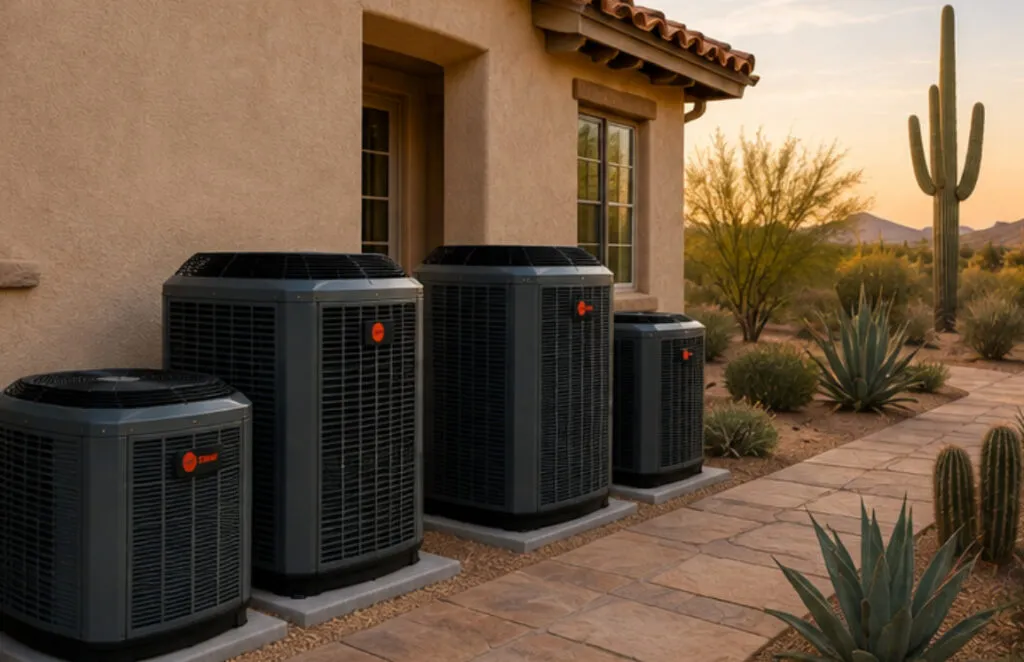
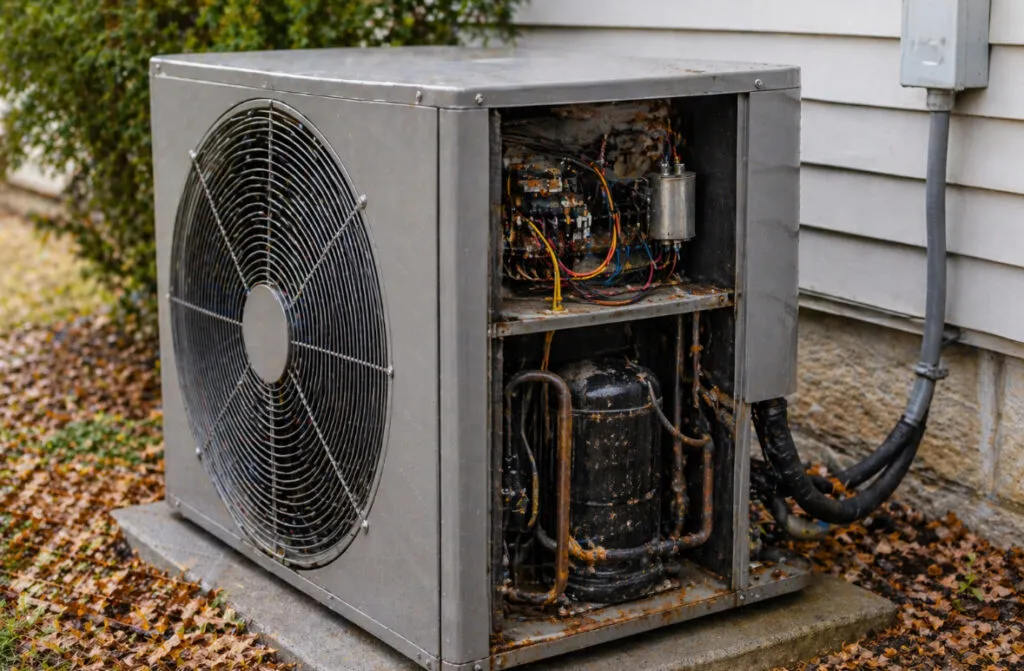
Mesa’s climate pushes HVAC systems to their limits, with summer temperatures regularly exceeding 105°F and systems running for extended hours daily. In these conditions, even small performance issues can quickly turn into major problems if they’re misunderstood or ignored. Many homeowners rely on outdated advice or common myths about heat pump performance, which often leads to delayed repairs, reduced efficiency, and higher operating costs.
Understanding what’s actually true and what’s not is critical, especially in a climate where systems are under constant demand. In this guide, we’ll break down the most common heat pump repair myths and explain what really impacts performance, so you can make informed decisions and avoid unnecessary expenses.
How Heat Pumps Work in Mesa’s Climate
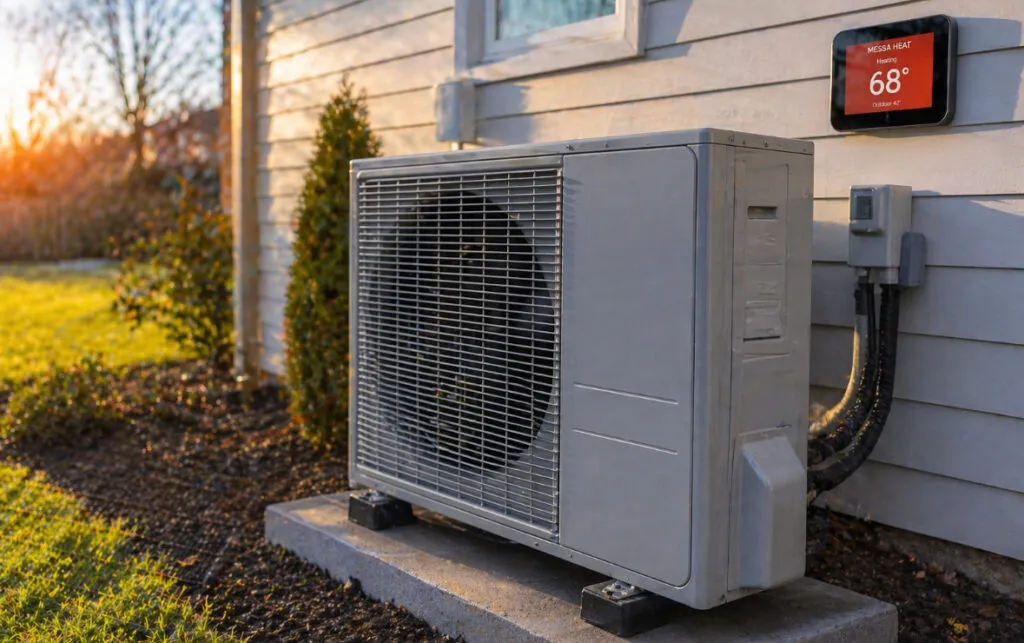
Heat pumps are widely used across Mesa because they provide both cooling and heating in a single system. Unlike traditional AC systems, they transfer heat rather than generate it, making them more energy-efficient when properly installed and maintained.
To ensure your heat pump operates efficiently year-round, it’s important to work with a **reliable HVAC contractor in Mesa, AZ,** who can handle installation, maintenance, and repairs with expertise
Why Heat Pumps Are Common in Arizona Homes
In many Mesa neighborhoods, especially newer residential developments, heat pumps are a preferred choice due to their efficiency and versatility.
They operate as an air conditioner during summer and reverse operation for heating during cooler months. This dual functionality reduces the need for separate systems and helps lower overall energy consumption when systems are running for long hours.
Performance in High Temperatures
Heat pumps installed in Arizona are designed to operate in high ambient temperatures, often well above 100°F. However, their performance depends heavily on airflow, refrigerant balance, and system condition.
When these factors are not maintained, the system may struggle to remove heat effectively, leading to longer run cycles and reduced cooling output, even though the system itself is functioning.
Myth #1: Heat Pumps Don’t Work Well in Extreme Heat
One of the most common misconceptions in Mesa is that heat pumps cannot handle extreme summer temperatures. In reality, modern systems are built specifically for high-heat environments and can perform effectively when properly maintained. To ensure your system is operating at its best, it’s important to consult with a trusted air conditioning contractor in Mesa who can provide expert maintenance and ensure optimal performance during the hottest months.
What Actually Happens in Mesa Summers
Heat pumps are engineered to operate in climates like Mesa, where temperatures frequently exceed 100°F. Performance issues during extreme heat are rarely due to system limitations.
Instead, they are typically caused by factors such as restricted airflow, dirty components, or incorrect system sizing. When properly maintained, heat pumps can maintain consistent cooling even during peak summer conditions.
When Cooling Issues Are Misdiagnosed
Many homeowners assume the system itself is failing when cooling performance drops, but in most cases, the issue lies elsewhere.
Common problems include clogged filters that restrict airflow, dirty coils that reduce heat transfer, or refrigerant imbalances that affect cooling efficiency. These issues are often mistaken for system failure, leading to unnecessary concern or delayed maintenance.
Myth #2: You Can Easily Repair a Heat Pump Yourself
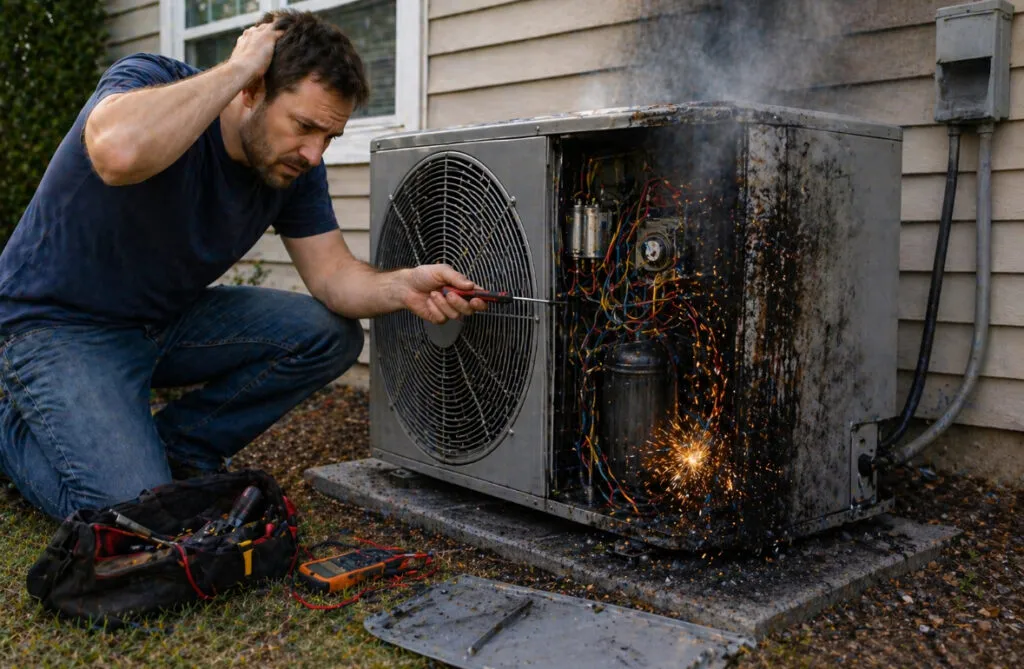
With the availability of online YouTube tutorials, many homeowners believe heat pump repairs can be handled without professional help. While basic maintenance tasks like filter replacement are manageable, most professional cooling repair work involves components that require technical expertise.
Why DIY Repairs Often Cause More Damage
Heat pumps involve electrical systems, pressurized refrigerant lines, and complex internal components.
Attempting repairs without proper tools or training can lead to incorrect fixes, further system damage, or safety risks. In many service cases, DIY attempts result in more extensive repairs because the root issue was not properly diagnosed.
What Requires Professional Expertise
Certain components require specialized knowledge and equipment to repair safely and effectively. This includes diagnosing compressor issues, handling refrigerant leaks, and troubleshooting electrical faults. Professional technicians are trained to identify the exact cause of the problem and ensure the system is restored without creating additional issues.
Myth #3: Heat Pump Repairs Are Always Expensive

In Mesa homes, this belief usually comes from experiences with delayed repairs rather than actual repair costs. When a heat pump runs for long hours in extreme heat, small issues like a failing capacitor, airflow restriction, or low refrigerant can worsen quickly if ignored.
What could have been a minor, low-cost fix often turns into a major repair involving the compressor or multiple components. In practice, timely service keeps costs predictable, while delaying repairs is what makes them expensive.
Cost Depends on Timing, Not Just the Problem
Small component issues, such as failing capacitors or contactors, are relatively inexpensive when addressed early. However, when ignored, these can lead to compressor damage or system shutdown, significantly increasing repair costs. Scheduling timely heat pump repair service helps resolve issues before they escalate into major expenses.
How Regular Maintenance Reduces Repair Costs
Preventive maintenance plays a key role in controlling long-term repair costs. Systems that receive routine servicing experience fewer unexpected failures because components are inspected and adjusted before breakdown occurs. Regular heat pump maintenance service helps identify early wear, keeping repair needs predictable and manageable over time.
Myth #4: If It’s Still Running, It Doesn’t Need Repair
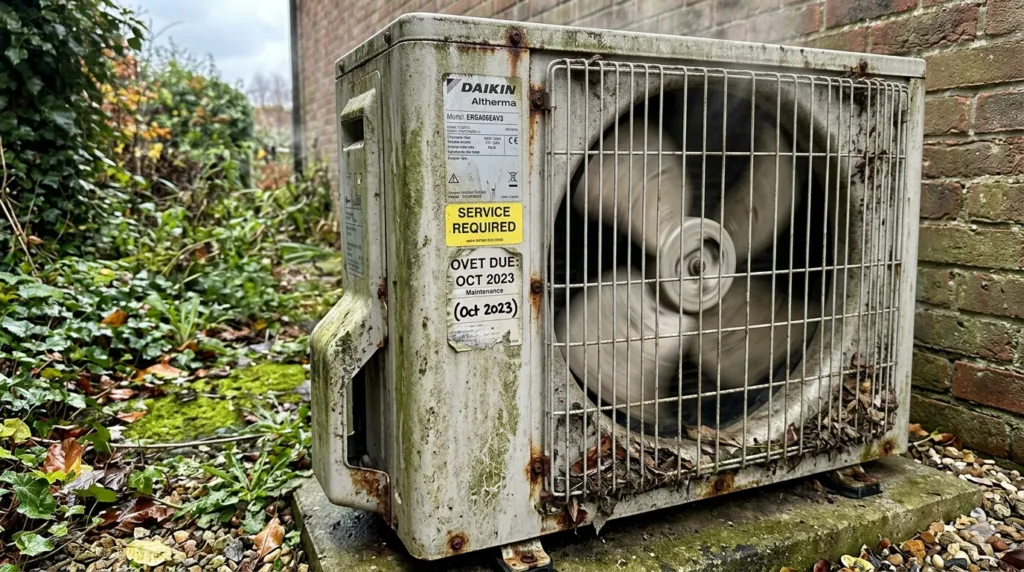
In Mesa’s extreme heat, a heat pump can continue running even while losing performance, which often gives homeowners a false sense of security.
In many service inspections, systems that appear “working” are actually running 20–30% longer cycles due to airflow restrictions, refrigerant imbalance, or early-stage component wear. These issues don’t stop the system immediately, but reduce cooling output and increase internal strain over time.
Hidden Performance Issues Homeowners Miss
Many performance issues develop gradually and are not immediately obvious. Systems may run longer cycles, struggle to maintain temperature, or produce uneven cooling across rooms.
These are early indicators of airflow imbalance or internal wear that require attention through a professional heat pump maintenance service before they worsen.
Why Ignoring Early Signs Leads to Bigger Problems
When these early warning signs are ignored, the system continues operating under strain, increasing wear on critical components.
Over time, this leads to higher energy consumption and a greater risk of sudden failure during extreme heat. Addressing these issues early prevents unnecessary system stress and helps maintain stable performance.
Myth #5: Heat Pumps Don’t Need Regular Maintenance
In Mesa, this belief doesn’t hold up under real operating conditions, where heat pumps often run 10–14 hours daily in temperatures exceeding 105°F. Even high-efficiency systems accumulate dust, experience airflow restrictions, and gradually lose performance without regular servicing. In many homes, skipped maintenance leads to longer cooling cycles, reduced output, and increased strain on components like compressors and blower motors.
Routine maintenance is essential to keep airflow balanced, maintain heat transfer efficiency, and ensure the system performs reliably under continuous high-demand conditions.
Why Maintenance Is Critical in Mesa’s Climate
Desert conditions introduce dust, debris, and airflow restrictions that directly impact system performance. Combined with long operating hours, this increases the rate of component wear. Routine heat pump maintenance service ensures filters, coils, and airflow systems remain clean and balanced under heavy usage conditions.
What Happens Without Maintenance
Without regular servicing, heat pump systems gradually lose efficiency and struggle to maintain consistent cooling.
This results in longer runtime, uneven temperatures, and increased energy usage. Over time, neglected maintenance leads to more frequent repairs and reduced system lifespan.
Signs Your Heat Pump Actually Needs Repair
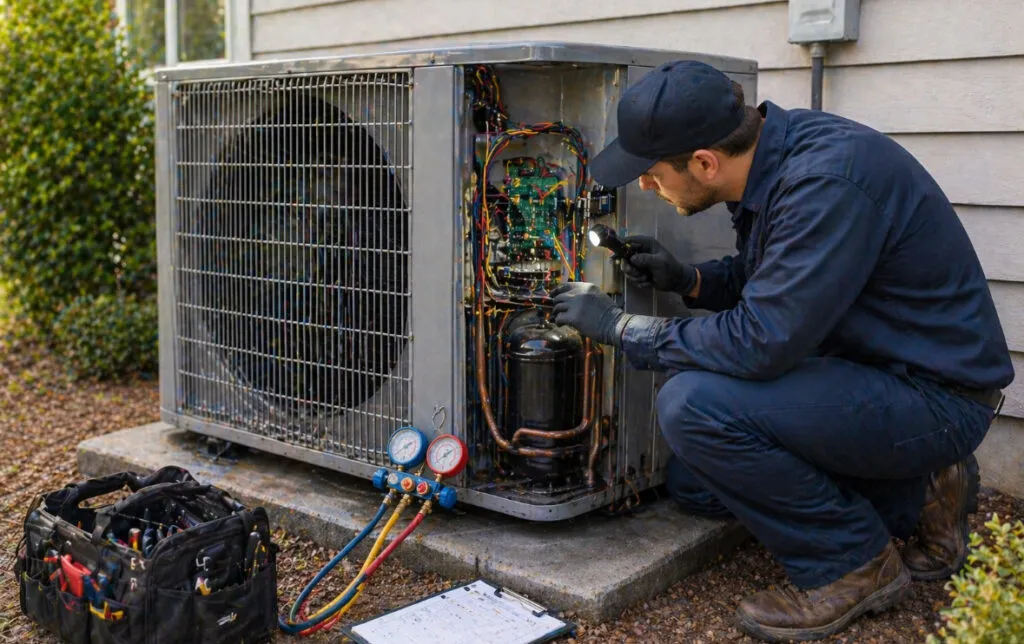
In Mesa’s extreme heat, heat pumps rarely fail without warning; they usually show gradual performance changes before a breakdown occurs. Because systems often run for 10–14 hours daily during peak summer, even small inefficiencies become more noticeable. Paying attention to these early indicators can help you address issues before they lead to costly repairs or complete system failure.
Common Warning Signs to Watch For
- Cooling takes longer than usual to reach set temperature
- Airflow feels weaker even when the system is running continuously
- Certain rooms stay warmer despite extended cooling cycles
- System shuts off and restarts more frequently than normal
- Outdoor unit runs but indoor comfort does not improve
- Monthly energy usage increases without changes in usage patterns
If these issues persist, it’s important to schedule service before the system experiences further strain. A professional heat pump repair service can accurately diagnose the issue and restore system performance before it leads to a full breakdown.
How Professional Heat Pump Repair Improves Performance
Professional heat pump repair is not just about fixing a visible issue; it’s about correcting how the entire system operates under load. In Mesa’s extreme heat, even small imbalances in airflow, refrigerant levels, or electrical performance can reduce cooling output and increase system strain. A proper repair approach focuses on identifying these underlying inefficiencies and restoring stable operation.
What a professional repair process typically includes:
- Full system diagnostics to identify performance gaps
- Airflow testing to detect restrictions or duct issues
- Refrigerant level checks to ensure proper heat transfer
- Electrical component testing for safe and consistent operation
- Coil and component inspection to improve heat exchange efficiency
Once these areas are addressed, the system can operate more consistently without overworking during long cooling cycles. This results in more stable indoor temperatures and prevents repeated performance issues that often lead to additional repairs.
Choosing the right HVAC contractor is critical to achieving these results. Accurate diagnosis, proper repair methods, and experience with Mesa’s climate conditions ensure the issue is resolved correctly the first time, helping you avoid recurring problems and unnecessary costs.
Why Choose Accurate Air for Heat Pump Repair in Mesa, AZ

Understanding the truth behind common heat pump myths is only useful if the right action follows. In many Mesa homes, issues are often misjudged or delayed because of these misconceptions, leading to unnecessary costs and repeated performance problems. That’s why choosing the right contractor matters just as much as identifying the issue itself.
At Accurate Air, we focus on correcting the real cause behind performance issues—not just the symptoms. With 60 years of HVAC experience and a team of trained technicians, we evaluate how your system is operating under Mesa’s extreme heat and identify problems that are often overlooked, such as airflow imbalance, refrigerant inconsistencies, or improper system setup.
If your system isn’t performing as expected or you’ve been relying on assumptions about how it should work, scheduling a professional heat pump repair service with a trusted HVAC contractor in Mesa ensures accurate diagnosis and long-term solutions. We focus on getting your system back to reliable performance, so you’re not dealing with the same issue again in peak summer conditions.