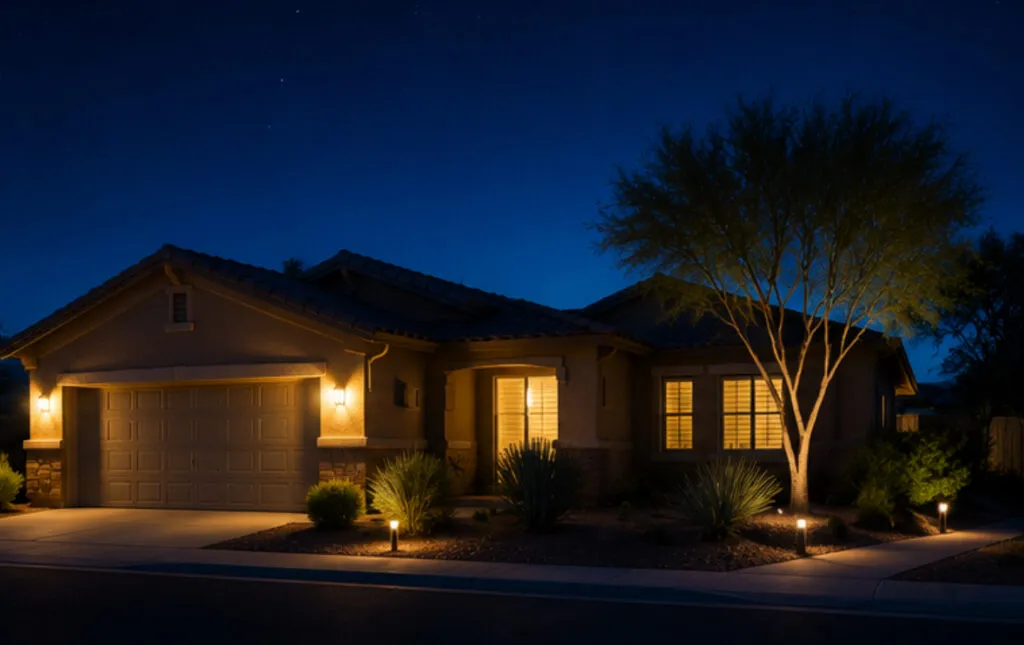
If your electricity bill jumps every time Scottsdale’s triple-digit heat arrives, you’re not imagining things. When your AC runs for hours just to keep indoor spaces livable, even small efficiency issues can add up to high monthly cooling costs.
You might notice longer cooling cycles, rooms that never quite feel comfortable, or rising energy usage despite keeping your thermostat settings the same. The good news is that there are real, practical ways to improve cooling performance and manage expenses. Understanding what’s driving these summer cost spikes is the first step toward creating a more efficient and comfortable home.
How Can Scottsdale Homeowners Lower Their Summer Energy Bills?

If your summer energy bills in Scottsdale seem to climb higher every year, you’re not imagining it. When desert temperatures stay above 100°F for weeks at a time, your air conditioner must run longer just to maintain basic comfort.
You may notice certain rooms feeling warmer, longer cooling cycles during late afternoons, or electricity costs rising even when thermostat settings stay the same. Understanding what drives these seasonal cost increases can help you take practical steps to improve efficiency before peak summer demand arrives.
Common cooling cost problems Scottsdale homeowners notice include:
- Continuous Runtime – AC runs for long periods during extreme heat.
- Uneven Cooling – Bedrooms or upper floors feel warmer than main areas.
- Energy Bill Spikes – Monthly electricity costs rise unexpectedly.
- Slow Temperature Recovery – Indoor comfort takes longer to restore.
- Thermostat Struggles – System has difficulty maintaining the set temperature.
As cooling demand increases, small performance issues inside your system can begin affecting overall efficiency and energy consumption. As a trusted HVAC contractor in Scottsdale, Accurate Air helps homeowners navigate these issues to increase cooling efficiency and lower costs.
Hidden Air Conditioner Problems That Can Increase Cooling Costs
Even when your air conditioner appears to be working normally, underlying mechanical or airflow issues can force it to use more energy. These problems often develop gradually and become more noticeable once temperatures remain consistently high.
Hidden performance concerns may include:
- Dirty Coils – Reduce heat transfer and extend cooling cycles.
- Low Refrigerant – Limits cooling capacity and increases runtime.
- Clogged Filters – Restrict airflow and strain blower components.
- Thermostat Errors – Cause unnecessary cycling and energy waste.
- Leaky Ductwork – Conditioned air escapes before reaching living spaces efficiently.
- Worn Capacitors – Weak electrical support leads to longer system startup times.
Addressing these concerns early can help improve system performance and reduce the likelihood of sudden breakdowns. If cooling efficiency continues to decline, scheduling a professional air conditioner repair service in Scottsdale, AZ, can help identify the exact cause before energy costs increase further.
When internal performance issues combine with airflow restrictions throughout the home, overall cooling effectiveness can drop even more.
Airflow and Duct Issues That Lead to Higher Energy Use

Proper airflow plays a major role in maintaining comfortable indoor temperatures during Scottsdale’s extreme summer heat. When conditioned air cannot circulate efficiently, your system must run longer to achieve the same results, increasing energy consumption.
| Airflow Problem | Comfort Impact |
|---|---|
| Blocked vents | Uneven cooling between rooms |
| Leaky ductwork | Wasted conditioned air in attic spaces |
| Poor attic insulation | Heat entering duct system |
| Dirty return grilles | Reduced airflow circulation |
| Flexible duct kinks | Longer AC runtime |
Improving airflow through duct sealing, insulation upgrades, or routine filter replacement can help stabilize indoor temperatures. If you suspect significant air leakage, exploring professional duct sealing services may help improve efficiency and lower monthly cooling costs. Beyond airflow concerns, delayed maintenance is another common factor that can contribute to rising summer energy bills.
How Delaying Air Conditioning Maintenance Can Raise Summer Utility Costs
Many Scottsdale homeowners only realize they waited too long to schedule maintenance when their system begins struggling during the first extreme heatwave of the season. Without regular inspections, small issues such as dirty components or worn electrical parts can gradually reduce efficiency and increase system workload.
Common maintenance delays that impact energy use include:
- Skipped Tune-Ups – Minor issues go undetected until peak demand.
- Dirty Components – Reduced efficiency forces longer cooling cycles.
- Drain Line Blockages – Moisture problems affect system performance.
- Electrical Wear – Aging parts increase energy consumption risk.
Taking preventive action before temperatures reach their highest levels can help improve cooling reliability and reduce the likelihood of emergency repair needs. Understanding how thermostat habits also influence energy usage is another important step toward managing summer utility costs effectively.
Thermostat Habits That Can Quietly Increase Energy Bills
If you constantly adjust your thermostat trying to stay comfortable during Scottsdale’s extreme heat, you may unknowingly be increasing your summer energy bills. Rapid temperature changes can force your air conditioning system to start and stop more frequently, leading to longer cooling cycles and higher electricity usage.
Cooling your home when no one is there or setting temperatures too low can also make your system work harder than necessary. Over time, these small daily habits can significantly affect both comfort and efficiency.
Common thermostat habits that reduce cooling efficiency include:
- Low Setpoints – Extremely low temperatures increase overall system runtime.
- Frequent Adjustments – Constant changes disrupt normal cooling cycles.
- No Scheduling – Cooling continues even during unoccupied daytime hours.
- Manual Overrides – Cancels energy-saving programmed settings.
- Sensor Placement Issues – Poor thermostat location affects temperature readings.
- Outdated Controls – Older thermostats may respond less accurately.
Improving thermostat usage patterns can help reduce unnecessary cooling demand. However, when comfort issues or energy costs continue rising, many homeowners begin looking for simple efficiency improvements they can manage themselves.
Simple DIY Steps That Help Improve Cooling Efficiency
When your electricity bill increases, it’s natural to look for practical ways to improve AC efficiency without major upgrades. Small maintenance tasks around the home can help your cooling system operate more smoothly during Scottsdale’s hottest months.
These steps often improve airflow and reduce system strain, especially when temperatures stay high for extended periods. While DIY solutions cannot resolve deeper mechanical issues, they can support better overall performance.
Helpful DIY cooling efficiency steps you can take include:
- Filter Replacement – Replace dirty filters regularly to maintain airflow and cooling efficiency.
- Vent Clearance – Keep supply vents unobstructed to improve consistent air distribution indoors.
- Outdoor Unit Cleaning – Remove debris around the condenser to support proper heat release performance.
- Shade Improvements – Add shade near the outdoor unit to reduce heat exposure strain.
- Return Air Cleaning – Clean return grilles to prevent airflow restrictions and circulation issues.
- Thermostat Programming – Set schedules to avoid unnecessary cooling during unoccupied daytime hours.
If cooling performance still feels inconsistent after these efforts, underlying system wear or airflow imbalances may be contributing to higher energy usage. These signals mean it’s time to contact a reliable air conditioning technician in Scottsdale immediately.
How Professional AC Maintenance Helps Lower Long-Term Cooling Costs

If your air conditioner continues running longer than expected despite basic upkeep, internal performance concerns may be affecting its overall energy efficiency. Extended cooling demand during Scottsdale summers can accelerate wear on components such as coils, capacitors, and blower motors.
Professional maintenance helps identify these issues early, improving cooling reliability and supporting more stable indoor temperatures. Routine tune-ups can also help reduce unexpected system interruptions during peak heat periods.
Maintenance services that support efficiency improvements include:
- Coil Cleaning – Removes buildup to improve heat transfer and cooling efficiency.
- Refrigerant Evaluation – Verifies proper levels to maintain consistent cooling performance and capacity.
- Electrical Component Testing – Identifies worn parts to prevent sudden system failures during peak demand.
- Airflow Balancing – Adjusts airflow distribution for more even cooling throughout the home.
- Drain Line Service – Clears blockages to prevent water damage and humidity-related performance issues.
- Filter System Review – Ensures clean filters support proper airflow and reduce system strain.
Many homeowners explore seasonal AC maintenance services to help keep systems operating efficiently. When rising utility costs continue despite maintenance, this can indicate the need for a more detailed system inspection.
When Rising Energy Bills Signal a Need for Professional Inspection
Sometimes, higher cooling costs are the first noticeable sign that your system requires a deeper performance evaluation. If your AC runs almost continuously, struggles to maintain comfortable temperatures, or creates uneven cooling throughout your home, these may point to underlying airflow or mechanical concerns.
Ignoring early warning signs can increase system strain and lead to more complex repairs later in the season. Identifying problems early helps protect both comfort and long-term equipment reliability.
Warning signs that may indicate the need for inspection include:
- Continuous Runtime – System rarely cycles off during moderate heat.
- Weak Airflow – Cooling output feels reduced at supply vents.
- Humidity Buildup – Indoor air feels sticky despite cooling operation.
- Utility Bill Spikes – Costs rise without thermostat changes.
- Hot Spots – Certain rooms remain warmer than others.
- Frequent Cycling – System turns on and off more often than usual.
In situations where performance concerns persist, scheduling a professional AC repair evaluation can help identify deeper efficiency issues. Beyond system performance, structural factors such as insulation quality and heat gain can also play a major role in rising summer cooling costs.
How Home Insulation and Heat Gain Affect Cooling Costs
If your home starts feeling warm again just minutes after the AC shuts off, heat gain may be silently increasing your summer energy bills. In Scottsdale’s desert climate, extreme attic temperatures and sun-exposed walls can push indoor temperatures higher than expected.
This forces your air conditioning system to restart more frequently, increasing both runtime and electricity usage. Over time, this constant battle against outdoor heat can make cooling feel less effective and more expensive.
Common heat gain factors that raise cooling costs include:
- Attic Overheating – Trapped hot air increases indoor cooling demand.
- Insulation Gaps – Heat enters living spaces more easily.
- Sun-Facing Rooms – Afternoon sunlight raises interior temperatures.
- Air Leakage Points – Doors and windows allow conditioned air to escape.
- Hot Duct Runs – Attic ducts lose cooling efficiency.
- Poor Ventilation – Stagnant hot air builds up in upper areas.
When heat gain increases, your system must run longer to restore comfort. This added workload often reveals deeper efficiency concerns that become more noticeable as cooling equipment ages.
How Aging Air Conditioning Systems Contribute to Higher Summer Bills
If your air conditioner seems to run longer each year without improving comfort, normal system aging could be affecting its cooling efficiency. Components gradually lose performance after years of exposure to extreme temperatures and continuous summer operation. You may notice the system taking longer to cool the home or struggling to maintain steady indoor temperatures. These changes can quietly increase electricity consumption even if the unit still appears functional.
Signs your cooling system may be losing efficiency include:
- Extended Cooling Cycles – System runs longer to reach set temperatures.
- Uneven Room Temperatures – Some areas never fully cool down.
- Frequent Minor Repairs – Parts wear faster during heavy seasonal use.
- Higher Monthly Bills – Energy consumption rises each summer.
- Reduced Airflow Strength – Cooling feels weaker from vents.
- Inconsistent Thermostat Response – Temperature control becomes less stable.
As performance declines, the system must compensate by operating more frequently. This increased strain can accelerate wear on internal components and raise the likelihood of unexpected cooling disruptions.
Why Addressing Energy Efficiency Early Helps Prevent Costly Breakdowns
Many homeowners only start thinking about energy efficiency when the AC begins showing clear signs of stress during peak heat. However, waiting until performance drops significantly can allow small issues to grow into major mechanical problems. Early attention to efficiency improvements helps reduce strain on compressors, motors, and electrical components. This proactive approach supports more stable cooling performance during Scottsdale’s longest and hottest months.
Early efficiency improvements that help protect your system include:
- Routine Component Cleaning – Improves heat transfer and cooling speed.
- Balanced Airflow Adjustments – Reduces uneven cooling stress.
- Electrical Performance Checks – Prevents overload-related failures.
- Drain Line Maintenance – Supports proper moisture removal.
- Filter Replacement Habits – Maintains steady system airflow.
- Thermostat Optimization – Prevents unnecessary runtime increases.
When these efficiency steps are ignored, cooling systems may begin operating under constant strain. This often leads to comfort issues that become more noticeable during extended periods of extreme heat.
How Professional Cooling Solutions Help Improve Summer Comfort
If rising energy bills and uneven indoor temperatures are becoming a regular frustration, deeper system adjustments may be needed to restore reliable cooling performance. Professional evaluations can help identify airflow restrictions, insulation concerns, or aging components that affect efficiency.
Addressing these factors can improve temperature consistency throughout the home and reduce the need for constant thermostat adjustments. Over time, better system balance helps create a more comfortable living environment during intense desert heat.
Cooling improvements that often enhance summer comfort include:
- Duct Efficiency Improvements – Helps deliver air evenly across rooms.
- System Performance Testing – Identifies hidden cooling limitations.
- Load Distribution Adjustments – Reduces strain during peak demand.
- Temperature Control Calibration – Stabilizes cooling cycles.
- Airflow Optimization Steps – Supports faster temperature recovery.
- Insulation Performance Upgrades – Helps maintain indoor comfort longer.
As homeowners begin understanding how multiple efficiency factors influence cooling performance, choosing the right HVAC professional becomes an important step toward achieving long-term comfort and cost control.
Why Choose Accurate Air for Air Conditioning Maintenance in Scottsdale, AZ

When cooling costs start rising, and your home struggles to stay comfortable during Scottsdale’s long, intense summers, working with an HVAC company that understands local climate demands can help you make smarter efficiency decisions. A knowledgeable team can evaluate how factors like extreme solar exposure, attic heat buildup, airflow imbalances, and aging system performance are impacting your energy usage and indoor comfort.
With the right maintenance approach and targeted performance improvements, many homeowners experience more consistent cooling, fewer unexpected system interruptions, and better control over monthly utility expenses. If you’re looking for practical ways to lower your summer cooling costs, exploring professional AC maintenance services or scheduling a seasonal system check can be a helpful next step toward improving efficiency and maintaining reliable comfort.