Frequently Asked Questions
Can I clean air ducts?
You can clean air ducts, but it's often best to hire a professional for thorough and safe cleaning. Regular maintenance, such as changing air filters and managing dust, can help keep your ducts in good condition between professional cleanings.
What is duct sealing?
Duct sealing is the process of sealing leaks and gaps in your HVAC ductwork to prevent air loss and improve system efficiency. This ensures that conditioned air reaches its intended areas, enhancing comfort and reducing energy costs.
What causes duct leaks?
Duct leaks are caused by various factors, including poor installation, age-related wear and tear, and damage from pests or environmental conditions. These leaks can lead to reduced efficiency and increased energy costs.
Can I do upkeep myself?
The upkeep of your HVAC system can indeed be managed by yourself. Regularly changing air filters, cleaning vents, and managing dust can significantly enhance system efficiency and air quality between professional cleanings.
Is air duct cleaning necessary?
Air duct cleaning is necessary to maintain optimal air quality and system efficiency. Regular cleaning helps remove dust, allergens, and contaminants, ensuring healthier indoor air and prolonging the life of your HVAC system.
Who does air duct upkeep?
Air duct upkeep is typically performed by homeowners and professional HVAC service providers. Regular maintenance by professionals like Accurate Air ensures optimal performance and air quality, while homeowners can manage dust and replace filters between cleanings.
What is duct maintenance?
Duct maintenance involves regularly inspecting, cleaning, and servicing HVAC duct systems to ensure optimal airflow and air quality. This process helps prevent dust buildup and improves the efficiency of heating and cooling systems.
What is involved upkeep?
Upkeep involves regular maintenance tasks to ensure HVAC systems operate efficiently. This includes changing air filters, cleaning ducts, managing dust, and ensuring proper ventilation to improve air quality and system performance.
How often inspect ducts?
Ducts should be inspected at least once a year to ensure optimal performance and air quality. Regular inspections help identify issues early and maintain efficient HVAC operation.
Why inspect air ducts?
Inspecting air ducts is essential for identifying blockages, ensuring proper airflow, and maintaining indoor air quality. Regular inspections help prevent costly repairs and enhance the efficiency of your HVAC system, promoting a healthier home environment.
How fix leaky ducts?
Fixing leaky ducts involves sealing gaps and joints with duct tape or mastic sealant, ensuring proper insulation around the ducts, and checking for any loose connections. For best results, consider hiring a professional HVAC service like Accurate Air.
What are upkeep benefits?
The benefits of upkeep include improved air quality, enhanced HVAC system efficiency, and reduced energy costs. Regular maintenance helps prevent costly repairs and extends the lifespan of your HVAC system, ensuring a comfortable home environment.
How long does upkeep take?
The duration of HVAC duct upkeep varies, but regular maintenance tasks can typically be completed in about 30 minutes to an hour, depending on the system's complexity and condition.
Who cleans air ducts Tempe?
Air ducts in Tempe are typically cleaned by professional HVAC service providers, like Accurate Air, who specialize in improving air quality and system efficiency through expert duct cleaning services.
Why clean air ducts Tempe?
Cleaning air ducts in Tempe is essential for maintaining indoor air quality and system efficiency, reducing allergens and dust, and ensuring optimal HVAC performance in the region's climate.
What tools are best for duct cleaning?
The best tools for duct cleaning include powerful vacuum systems, rotary brushes, and air whips. These tools effectively remove dust, debris, and contaminants, ensuring your HVAC system operates efficiently and improves indoor air quality.
How can I tell if ducts need cleaning?
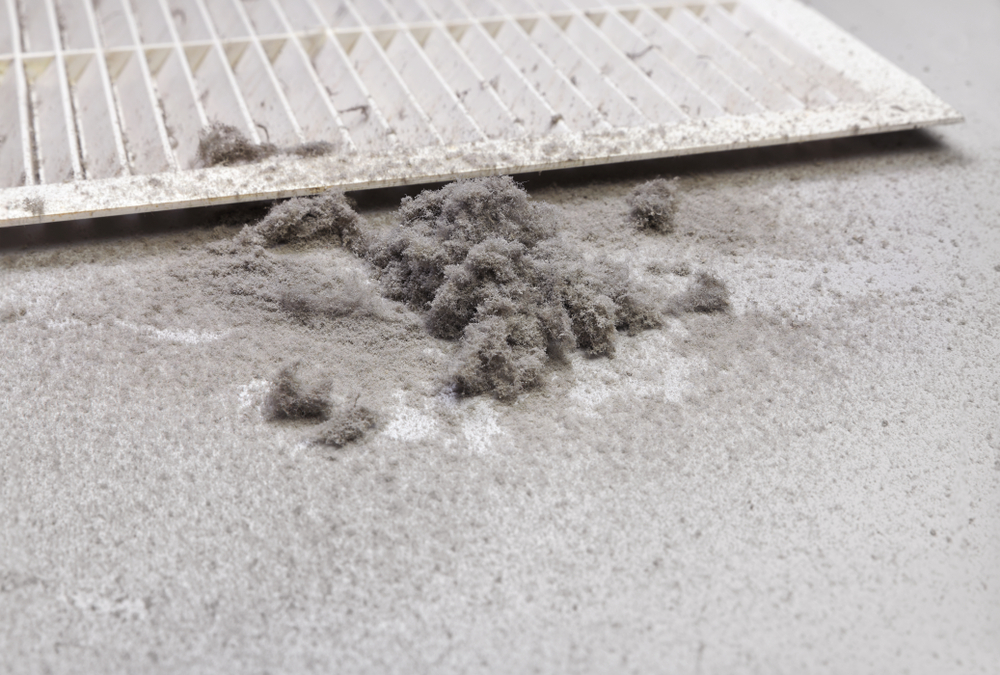
The signs that ducts need cleaning include visible dust buildup around vents, unusual odors when the system is running, and increased allergy symptoms among household members. Regular checks can help maintain optimal air quality and system efficiency.
What are signs of duct maintenance needs?
Signs of duct maintenance needs include increased energy bills, uneven heating or cooling in your home, excessive dust buildup, and unusual odors when the system is running. Regular checks can help ensure optimal performance and air quality.
How does duct sealing improve efficiency?
Duct sealing improves efficiency by preventing air leaks, which ensures that conditioned air reaches its intended destination without loss. This leads to reduced energy consumption, lower utility bills, and enhanced overall comfort in your home.
What methods are used for duct cleaning?
The methods used for duct cleaning include mechanical agitation, which utilizes brushes and air whips, and vacuum collection systems that remove dust and debris. These techniques effectively enhance air quality and improve HVAC system efficiency.
How often should I clean my ducts?
The frequency of duct cleaning depends on various factors, but it's generally recommended to clean your ducts every 3 to 5 years. Regular cleaning helps maintain air quality and system efficiency.
What are the risks of dirty air ducts?
The risks of dirty air ducts include reduced indoor air quality, which can lead to respiratory issues, allergies, and increased dust accumulation in your home. Additionally, dirty ducts can hinder HVAC efficiency, resulting in higher energy costs.
How to choose a duct cleaning service?
Choosing a duct cleaning service involves evaluating their experience, certifications, and customer reviews. Look for companies that use advanced cleaning techniques and offer transparent pricing to ensure your HVAC system receives quality care.
What is the process of duct sealing?
The process of duct sealing involves identifying and sealing leaks in the ductwork using specialized materials like mastic sealant or metal tape. This enhances system efficiency, reduces energy loss, and improves indoor air quality by preventing contaminants from entering the ducts.
How can I prevent duct leaks?
Preventing duct leaks involves regular inspections and maintenance. Ensure all joints are properly sealed, use high-quality duct tape, and insulate ducts in unconditioned spaces to minimize air loss and enhance system efficiency.
What are the costs of duct maintenance?
The costs of duct maintenance can vary based on factors such as the size of your system, the extent of cleaning required, and your location. Typically, professional duct cleaning services range from $300 to $500, with additional maintenance costs for repairs or upgrades if needed.
How does duct upkeep affect air quality?
Duct upkeep significantly affects air quality by preventing the accumulation of dust, allergens, and pollutants within the system. Regular maintenance ensures cleaner air circulation, promoting a healthier indoor environment and enhancing overall HVAC efficiency.
What should I know about duct inspections?
Duct inspections are essential for identifying blockages, leaks, or damage in your HVAC system. Regular inspections help maintain air quality and system efficiency, ensuring a healthier home environment.
How to maintain ducts between professional cleanings?
Maintaining ducts between professional cleanings involves regularly replacing air filters, managing dust accumulation, and ensuring proper ventilation. These steps help improve air quality and system efficiency, prolonging the time between professional services.
What are common duct cleaning misconceptions?
Common duct cleaning misconceptions include the belief that ducts never need cleaning, that all dust originates from ducts, and that cleaning them causes damage. Regular maintenance is essential for optimal air quality and system efficiency.